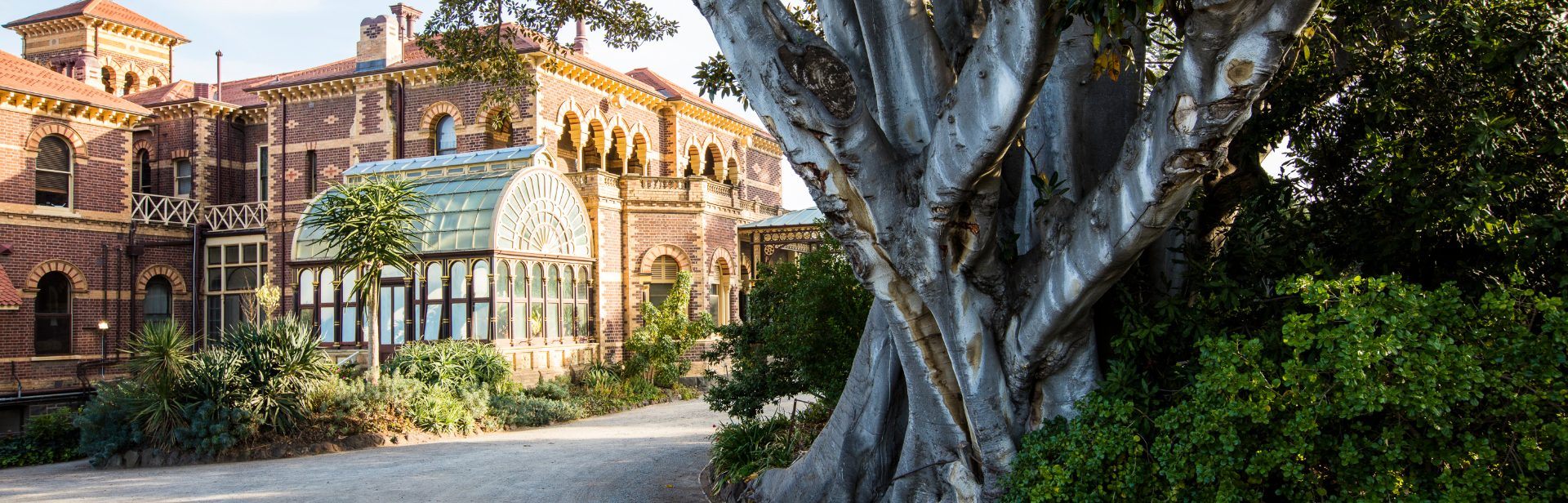

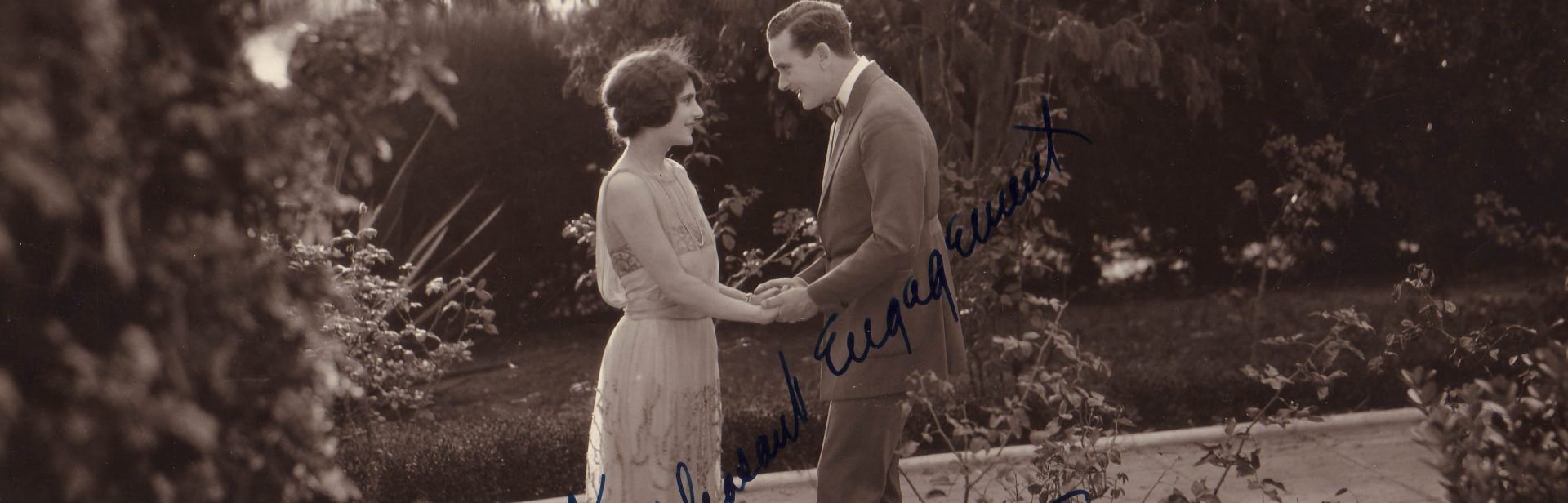
Click on image for larger picture


                                    Click on image for larger picture

  ***SOLD***
"Aberglasslyn House"

"Aberglasslyn,   overlooking the   Hunter River"

  Circa 1840

Aberglasslyn House is one of the most important early Colonial homes in Australia. With its vast cellars, this early stone mansion has the potential to become the only "chateau style" boutique vineyard in the Hunter.

Perfectly positioned close to the vineyards of the Hunter Valley, NSW, and within easy reach of the magnificent beaches of Port Stephens and wilderness areas of the Barrington Tops.


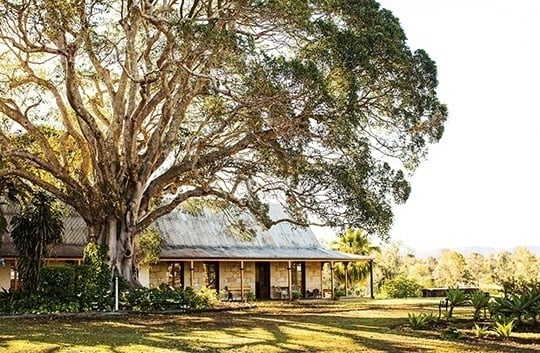
North facing, it is set in an idyllic rural and intact protected landscape on 12 acres of high land overlooking and adjoining the Hunter River.

This sandstone mansion is considered to be the second great masterpiece of John Verge, arguably the most talented architect practicing in NSW around the 1830's. One is immediately at ease within the beautifully proportioned spaces.


Pg:99: The Golden Decade of Australian Architecture, James Broadbent, Ian Evans and Clive Lucas.

"Aberglasslyn
The rare quality of its design (of equal rarity is the fitted water closet), and the remarkable insight it gives into the way such a house was constructed, make it one of the most fascinating colonial houses in N.S.W."

Expressions of interest invited: $1.65 million

Aberglasslyn House is listed on the Register of the National Estate and has an A Grade National Trust listing.


                                       Click on image for larger picture


                                        Click on image for larger picture


                                       Click on image for larger picture


                               Photograph by Max Dupain

"Aberglasslyn" is a refined and beautiful house, distinctive in its detail and ambitious handling of internal spaces. It is a local icon dominating the surrounding landscape.

It is the quality of light pouring in from the tall windows and hemispherical dome over the sweeping circular stone stairwell as well as the richness of craftsmanship in the early cedar joinery that distinguishes the house as one of the major colonial houses in Australia.

The cubic entrance hall with its stone paving and three superb pilastered cedar doorcases with lotus flower decoration, suggests the neo classical style which is evident throughout the house.

The eight panelled doors are some 2" thick with the rare flame cedar in the centre panels. Entablatures above the doors complete the Greek classical style. Full length cedar shutters in the Drawing and Breakfast Rooms represent some of the finest early Colonial joinery in Australia.

The 1840's turned horn door and shutter knobs are unlike any other known door furniture both here and in England.

A sense of calm pervades the house. From the baronial reception rooms with massive marble fireplaces on the ground floor, up through the sweeping cantilevered stone staircase to the impressive bedrooms above.

The cast iron Regency balustrade of delicately twisted vine leaves indicates the grape growing activities of the first owner, George Hobler. He was making wine and champagne from grapes grown on the property in the vast sandstone cellars beneath the house (making him a pioneer of Hunter Valley winemaking).

The six room cellars with three fireplaces awaits a new breed of winemaker!

Whilst the original deer park no longer exists, the grounds are full of exotic birdlife which, like the frog mouthed owl family, nest in the historic Moreton Bay Fig Trees and ducks have made the two dams home.


The odd pelican swoops down to steal a fish or two. A convict built stone ha'ha, separating the stock from the formal gardens, is topped with a well established lavender hedge. The paths and carriageway are gravelled and the flower beds and parterre garden are edged with English box. The pleasure garden is enclosed by an African olive hedge, formally clipped in the same manner as the numerous mature bay trees. An olive grove has been established on the hill above.

The current owners have spent six years on a painstaking and faithful restoration. The house has for two years operated as an award winning bed and breakfast and has become a highly regarded local icon. Grand weddings have taken place in the restored gardens. To encourage sensitive restoration of heritage properties, the house has been opening to hundreds of visitors each April for Maitland's Heritage Month. It has featured in three issues of Vogue Magazine, Campaign, She and Country Style Magazine. Two pilot films have been shot here and it was the set for a recently released video clip.

"Aberglasslyn House" has a rich cultural, social and architectural history. It is a masterpiece of Regency design and would lend itself perfectly to becoming the only "chateau style" vineyard in the Hunter Valley.

Either as a splendid family home, a first class guesthouse or restaurant, a boutique vineyard - Aberglasslyn presents a unique opportunity. Houses of this quality rarely fall into private hands.

There are only three or four houses that rival "Aberglasslyn" in grandness, sophistication and architectural excellence. They are Government House, (1835), Fernhill, Mulgoa (1842) and the other Verge houses Elizabeth Bay House (1835) and Camden Park (1832).

Whilst you cannot buy the Government owned Elizabeth Bay House in Sydney, you have the opportunity to acquire his second great masterpiece!

HISTORY

John Verge (1782-1861):

"Many of the most beautiful and impressive buildings which form Australia's architectural heritage are the work of John Verge. Among these are Camden Park, designed and built for John Macarthur, and Elizabeth Bay House for Colonial Secretary Alexander Macleay. John Verge has been described as the architectural giant of New South Wales." James Broadbent, the Golden Decade of Australian Architecture.

Born in Christchurch, England, Verge was the son of a bricklayer. Generations of Verges had been bricklayers or stonemasons in the town. He married at twenty two and left for London. Over the years he acquired a sophistication and subtlety that later became his trademark.

By 1828 he had become a man of means. His marriage had failed and, together with his seventeen year old son, Philip George, he departed for Australia. His first land grant consisted of 2560 acres on the banks of the Williams River, south of the town of Dungog in the upper Hunter. He established an antipodean version of an English country estate which he first called Sydenham Grove and later changed to Lyndhurst Vale.

Leaving Phillip in charge he went to Sydney where he became known and respected as one of the city's most talented architects. His ledger reads like a Who's Who of Sydney society. He retired to the Hunter and later built "Austral Eden", Kempsey.

Verge died here in 1861 and the house was later destroyed in 1864 during the great Macleay River flood. With it many of his documents were also lost. There is no known sketch, painting or description of the building.

Verge had contributed a great deal to the fransformation of Sydney from the crudely-built convict town of the late 1820's to the sophsicated centre of the late 1830's.

GEORGE HOBLER (1800 - 1882):

Born in Islington, London, George was the son of Francis Helvetius Hobler, who for half a century was the chief clerk of the Rt. Hon. The Lord Mayor of London. The Lord Mayor relied wholly on his chief clerk for legal advice. Of Swiss descent, Mr. Hobler was fluent in both dead and "continental" languages. Known for his wit and benevolence as well as his vigour of intellect. Mr. Hobler's portrait hung in the Mansion House, London, until destroyed by fire some years ago. Mr. Hobler was referred to in Charles Dickens first book as a man of great wit. George's brother, Frank, was a famous Crown lawyer. Their mother was descended from a sea captain and a Spanish princess.

George married Ann Turner in 1822. Her father was a breeder of fine Devon cattle who sold stock to Queen Victoria. When George left in 1825 with Ann, their two children and three servants, for Van Diemens Land, Australia, he gave them a cow called Fairmaid. It is from Fairmaid that all present day Australian Devon cattle descend.

His pioneering adventures are graphically recorded in his journals which he wrote for his brother and father in England. They are today in the Mitchell Library in Sydney.

The Illustrated London News, 1843, referred to George as "a large settler and wealthy agriculturist in New South Wales". He was both industrious and prosperous in Van Diemen's Land but left in 1836 to increase his wealth in NSW.

Having been granted land in Van Diemen's Land, he had to purchase the 1200 acres of fine land at Aberglasslyn for 5000 pounds. In 1840 he laid the foundations of his Regency style villa. It is difficult to comprehend why he chose to embark on such an ambitious project in the midst of the Australian bush.

George was a man of vision, daring, superb taste and great ambition. It is reported that he spent upwards of twenty thousand pounds on his mansion. He imported Scottish stone masons to cut and dress the locally quarried Ravensfield sandstone, brought to Aberglasslyn by bullock and cart. The work was done by "daylight" so as not to impair the quality of craftsmanship. The stone ha-ha and the culvert are considered to have been convict built. The lead bath and cedar "thunderbox" remain in tact and are the earliest surviving examples of internal toilet facilities.

George was fond of shooting and fishing (his gun cupboard in the Breakfast Room is still in perfect condition) and he established a deer park on the property.

A lover of fine food and wine, he was growing grapes and making wine and champagne in the beautiful cellars beneath the house.

The financial crash of the mid 1840's was his undoing and in 1843 George took advantage of the Insolvent Act. Having lost his home he spent his later years in Australia near Goulbourn, then Nap Nap, Paika and finally Bachus March in Victoria where he again developed successful stock runs. The change in the squatting laws enabled already wealthy men to purchase these desirable properties and pioneers such as George lost a lifetime's work. He represented the squatters in their challenge and asked his brother in England to appeal on their behalf . George was advised by the Governor General that the Queen had refused their case but history reveals that it had never been presented to her!

Emily Denton Hobler married William Henry Bachus and they emigrated to America. A disillusioned man, George followed in 1851 and settled near San Francisco. He and Ann are buried in Alameda, California.

Aberglasslyn House remains testament to the vanity, pride and ambitions of an early pioneer!

APPROXIMATE MEASUREMENTS/ FITTINGS:
Polished timber floors in all rooms The condition of the finely plastered walls is superb and all have been recently painted Intricately detailed paint finishes to cornices

GROUND FLOOR: Ceiling height 17' Cedar Skirtings 18" high

Drawing Room:                    25' x 22' North aspect
Superb white marble fireplace with classic columns Decorative archway with cedar pilasters Cedar "Grecian" architraves, entablatures and full length shutters Cedar pilasters form a decorative archway A third false door creates perfect symmetry

Dining Room:                       25' x 22' North aspect
A rare example of a Belgian Black marble fireplace with carved lotus flowers Three windows with cedar reveals Decorative archway with cedar pilasters

Vestibule: (front entrance)     16' x 16'
Diagonally stone flagged Handsome cedar doorcasings, pilasters delicately incised with the Greek Key design and carved with lotus flowers

The rear Salon:
Stone floor
Cantilevered stone staircase with cast iron balustrade, leading to the first floor beneath a hemispherical dome pierced by lunettes (windows)

Breakfast Room:              17' x 15' East aspect
Floor to ceiling cedar shutters on French doors leading to stone flagged 10' wide verandah St. Anne's grey marble chimneypiece Original 1840's gun cupboard

Library:                            17' x 15' West aspect
Cedar bookcases fitted in the fireplace recesses Exquisitely carved white marble fireplace French doors leading to the formal gardens

Laundry/Shower: Recently renovated this room has white tiles and a fitted wardrobe with a painted finish.

Kitchen:                            10' x 10'
Originally the Butler's Pantry, it has been recently renovated. Fitted cupboards with a painted finish.

FIRST FLOOR:
Ceiling height 16'

Masterbedroom 1:              25' x 22'
Cedar fire surround

Room 2:                             17' x 12'
Marble chimney piece with cast iron grate.

Bathroom:                          10' x 11'
Recently renovated. Laid with pink glass mosaic tiles. Fitted cedar cupboard beneath the window. Fitted wardrobe.

Showeroom:                       10' x 11'
Recently renovated. Fitted cedar cupboard beneath he window. Mosaic floor tiles.

Room 3:                             17' x 15'
Red marble chimney piece with cast iron grate

Masterbedroom 4:               25' x 22'
Cedar chimney piece

Bedroom 5:                         16' x 16'
Fitted cedar cupboards and shelving
Cedar chimneypiece

MEZZANINE LEVEL:

A cedar staircase, originally used by the servants, leads to what was the "candle room" and now serves as a small office. These stairs come out at the rear entrance.

CELLARS:                  2,640 sq. ft.

Reached from a service stair from the rear salon, the six rooms cover the entire area beneath the house, it is stone flagged and well ventilated by huge open windows. The brick vaulted centre rooms are of exquisite workmanship. There are four open fireplaces in the rooms. A second stairway leads to the gardens.

TERRACE:
A 10' wide stone terrace extends along the northern, western and eastern elevations.


Shop 3, 115 Vincent Street, Cessnock NSW 2325

Phone (02) 4991 4000

Fax (02) 4991 4900


No Warranty Given. You should seek your own independent advice as to the accuracy of the information supplied.