
NSW Club House
31 Bligh St
31 Bligh St

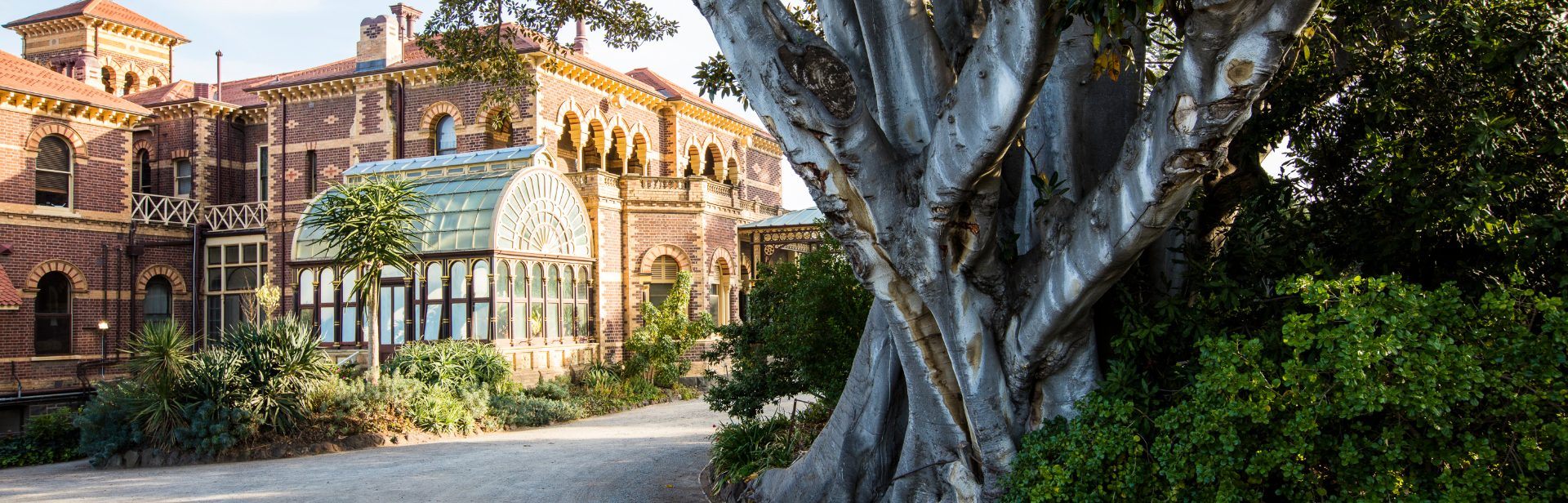
The New South Wales Club House, located at 25 - 31 Bligh Street, is a fine example of the Victorian Academic Classical style and was built in 1884.  Located in the heart of the Sydney CBD, this building once housed the New South Wales Club and its design is reminiscent of Charles Barry’s Reform Club in London.

The exterior of 31 Bligh Street is suggestive of an Italian Renaissance Palazzo and is the only Victorian-era clubhouse remaining in Sydney. Designed by English architect William Wardell, the elegant interior and furnishings are still evocative of a late 19th century gentleman’s club. The property is built around a central courtyard with the main rooms opening off this architectural element. The stair hall is a beautiful feature with its iron balustrade staircase and the striking painted ceiling of red, ochre and gold.  Part of the interior has been sympathetically converted into offices.

William Wardell was an ecclesiastical architect from England. Arriving in Melbourne in 1858, he became one of the city’s most prominent and significant designers. He launched his own private practice whilst working as the appointed Chief Architect for the colonial government of Victoria. An exponent of the Gothic Revival movement, his churches include St Patrick's Cathedral and St Ignatius Church in Richmond in Melbourne, and St Mary's Cathedral in Sydney. He also designed Melbourne's Government House and Venetian-styled banking chambers for the ES&A bank. Wardell moved to Sydney after Melbourne’s infamous ‘Black Wednesday’ when Victorian Premier Sir Graham Berry denounced much of the public service in 1877.

Gentlemen's clubs were a regular feature of life in the city in the 19th Century. The New South Wales Club was founded by business men, and, like all similar institutions, excluded women. Liveried employees served members in modest-sized but elegant premises in Bligh Street. Sir Samuel Hordern, merchant and stockbreeder, served as President of the Club for 36 years.

This building was leased to the National Trust in 1973 for a period of 80 years; the Trust in turn sublet the property back to entrepreneur Gordon Barton and his company.  Barton, the well-known businessman, entrepreneur and founder of the IPEC Transport Group, conducted his business affairs from 31 Bligh Street during the 1960s-70s. In addition to his work, Barton is remembered as a liberal reformer and founder of The Australian Party; a reform movement that strongly opposed the Vietnam War.

The Royal Australian Institute of Architects honours William Wardell by presenting an eponymous annual prize for institutional architecture in his name.


The National Trust is a charity. The income required to look after and maintain this property and the many others you can look up here on our website comes largely from membership and donation. Please help us care for these properties on behalf of future generations. JOIN NOW and experience the benefits of membership.

home print pdf

LOCATION

25 - 31 Bligh St
Sydney 2000

Please note that this property is not open to the general public