
Riversdale

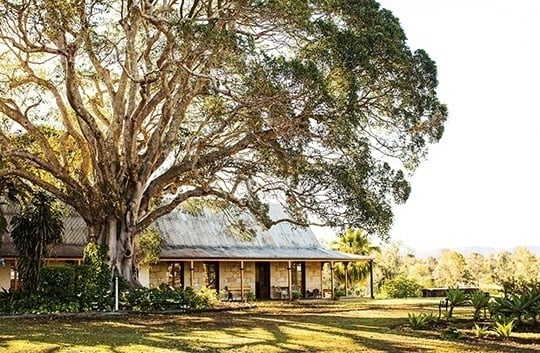
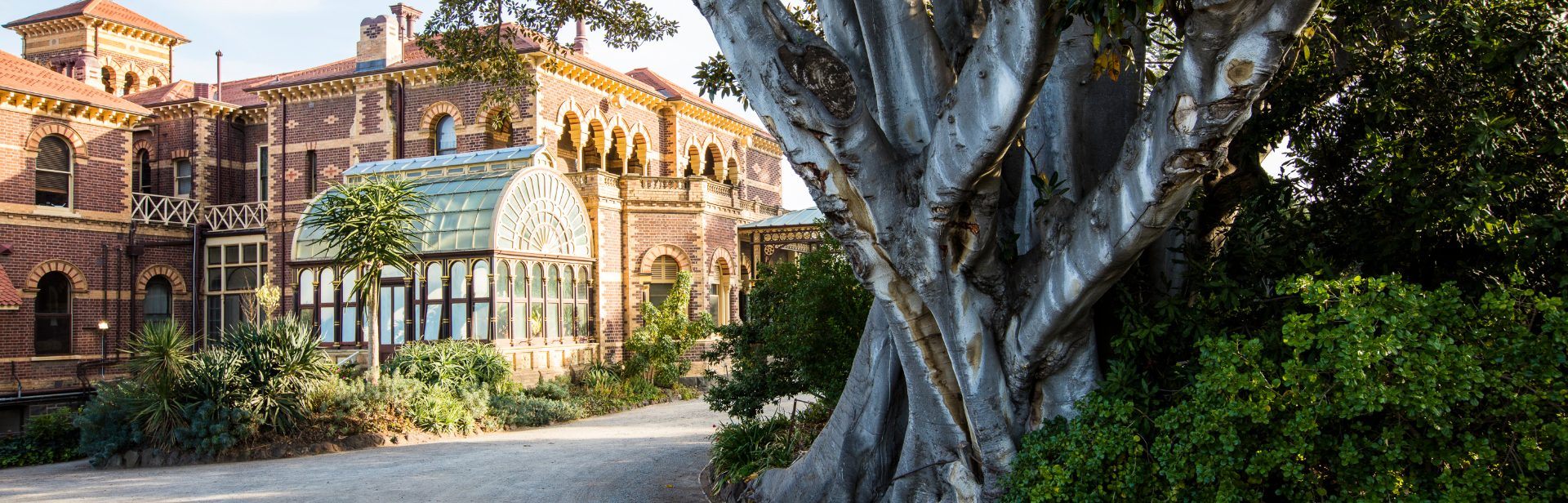
In 1828, where the Great South Road forded the Wollondilly River, a few allotments were surveyed for the township of Goulburn Plains. Of these, the site of Riversdale was granted to Matthew Healey in 1830. He held an Innkeepers’ license in 1832, operating from a slab building. In 1832, Governor Bourke selected another site for Goulburn two miles to the south. Built as a coaching inn and residence in the 1840s, Riversdale is the only surviving building of the ‘Old Township’ as sited by Governor Macquarie.


Standing with its original paddocks and out buildings, the property is a fine example of a single-storey Colonial Georgian cottage, surrounded by splendid flowering gardens. From 1850-1856 the property briefly operated as a school, then passed to numerous owners and lessees until Edward Twynam purchased it in 1875. Edward made substantial contributions to the South West regions of the colony and later became Surveyor General of NSW. The property remained in his family until acquired by the National Trust in 1967.

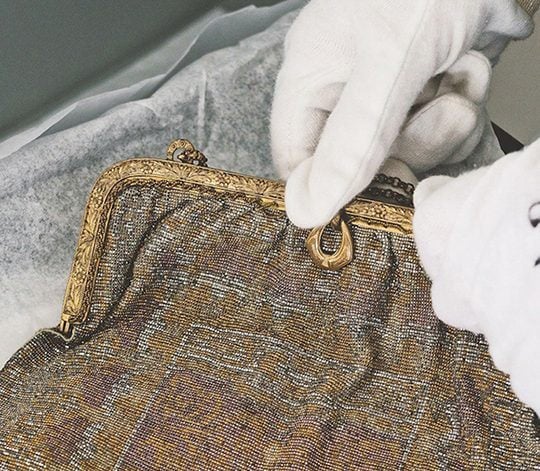
Riversdale is renowned for its collection of fine Australian Colonial furniture, arts and craft – much of it provenanced to the Twynam family (especially Emily Rose Twynam) and for the garden with its 1918 espaliered apple trees and flowering shrubs.

Activities
Gardens, guided tours, coach tours welcome, ample parking.
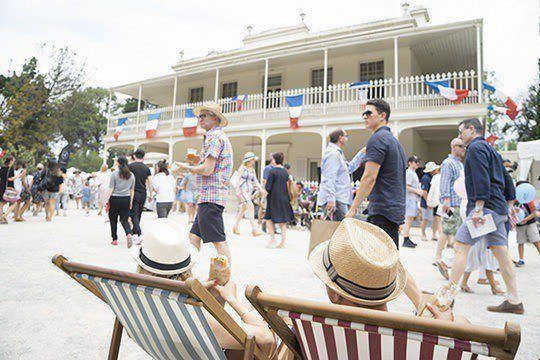
Functions & events bookings are welcome!

Experiences
Fine colonial homestead in the heart of sheep grazing country; large flower garden, expansive vistas. Collection which includes arts and crafts created by the family, particularly Emily Rose Twynam; wood carving and other skills popular at the turn of the 19th century.

History of Goulburn

Prior to European settlement the area was inhabited by the Gundungura Aborigines. In 1798 John Wilson and his party became the first Europeans to see the Goulburn Plains. In 1818 the exploratory party of Hamilton Hume and James Meehan traversed the Plains and named them after Henry Goulburn, the British Secretary of State for the Colonies.


The following year Governor Macquarie ordered the construction of the Great South Road (the basis of the Hume Highway) from Picton to the Goulburn Plains. He travelled to
the Plains in 1820 and found 'a noble,
extensive, rich meadow near a fine large
pond of fresh water, the cattle being up to
their bellies in as fine, long sweet grass as I have seen anywhere'. He also noted the good water supply, timbered hills and general suitability of the area for grazing and crops.
Two days later John Oxley became the first European to walk upon the future townsite.


Settlers soon followed in Macquarie's wake.
The first on the townsite was Andrew Allan
who arrived in 1825. The Plains were used
for stock-raising and wheat-growing although wheat production slowly faded out from the 1860s. Goulburn's reputation as a producer
and exporter of fine merino wool was established in the early 1830s although transportation to Sydney was agonisingly slow until the 1850s. The fruits of the pastoralists' success are evident in the distinguished colonial mansions which dot the local landscape.


The National Trust is a charity. The income required to look after and maintain this property and the many others you can look up here on our website comes largely from membership and donation. Please help us care for these properties on behalf of future generations. JOIN NOW and experience the benefits of membership. You can also donate online, just click here.

CONTACT INFO

Maud Street,
Goulburn NSW
Phone: (02) 4821 4741
Mobile: 0402 129 682

ADMISSION

Open:

Each Sunday, 10am to 3pm or by appointment for group bookings.

Function, wedding and events bookings welcome


Entry fees:
National Trust members free.
- $5 Adults conc
- $3 Concession
- $12 family

Functions & events bookings welcome.
Click here for more information.

LOCATION


Click to enlarge